

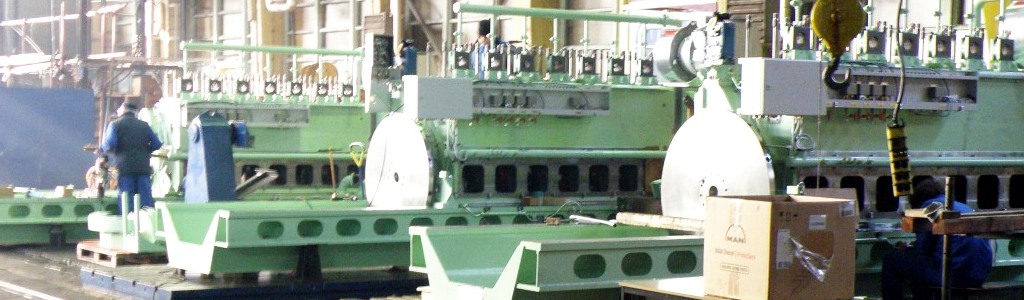
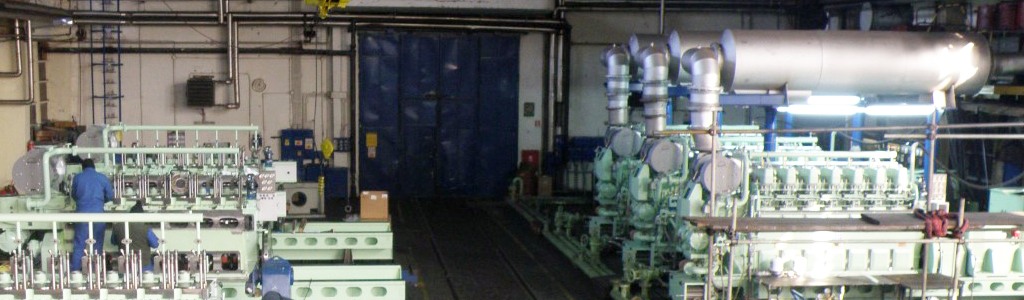
The casing 156971 is a structural enclosure and supporting component used within the MAN L21/31 engine, designed to provide mechanical protection, accurate positioning, and a stable interface for the associated internal or adjoining components. Depending on its position within the engine assembly, the casing may also incorporate accurately machined bores, mounting faces, internal spaces, or connection points required for the proper operation of the corresponding system. Its dimensional stability and structural integrity are particularly important because deformation, cracking, excessive wear, or damage to mounting and sealing surfaces can affect component alignment, clearances, sealing, and overall system reliability. During engine operation, the 156971 casing may be exposed to vibration, mechanical loads, temperature variations, and prolonged service conditions, making correct installation and periodic inspection essential. During overhaul, particular attention should be given to mounting surfaces, bores, threaded connections, sealing areas, and structural sections for signs of wear, corrosion, cracking, distortion, or fretting. By maintaining a stable and accurately dimensioned structural environment for the associated components, the 156971 casing contributes to correct assembly alignment, reliable system operation, reduced mechanical wear, and dependable long-term performance of the MAN L21/31 engine.
The welded support 256967 is a structural component of the MAN L21/31 engine designed to provide a strong and stable mounting or supporting interface for the associated engine equipment or assembly. Its welded construction allows individual structural sections to form a rigid unit capable of transmitting mechanical loads into the surrounding engine structure while maintaining the required position and alignment of the supported components. Because the support operates in an environment characterized by continuous engine vibration, cyclic loading, temperature changes, and extended service periods, the quality and integrity of the welded joints are particularly important for long-term reliability. Correct geometry and alignment are also essential, since distortion or damage can introduce unwanted stresses into mounted components and their connections. During overhaul, the 256967 welded support should be inspected carefully for cracking around welds, corrosion, deformation, fretting at mounting points, damaged fastening areas, or other indications of fatigue. By providing a rigid and dependable structural foundation, the 256967 welded support contributes to correct equipment positioning, controlled load transfer, reduced vibration-related movement, and reliable operation of the MAN L21/31 engine.
The support 356967 is an important structural and positioning component used within the MAN L21/31 engine, where it provides stable mechanical support for the associated assembly and helps maintain the correct position and alignment of connected components during operation. Although supports are often relatively simple in appearance, their dimensional accuracy, rigidity, mounting geometry, and condition are important because unwanted movement or misalignment can increase vibration, create uneven loading, and accelerate wear of neighboring parts. In the demanding environment of a medium-speed diesel engine, the 356967 support may be exposed to continuous vibration, cyclic mechanical loads, temperature variations, and prolonged operating periods, requiring dependable mechanical strength and dimensional stability. During maintenance or overhaul, its mounting surfaces, fastening points, contact areas, and overall geometry should be inspected for cracks, deformation, corrosion, fretting, or other signs of deterioration. By providing a secure and accurately positioned structural interface, the 356967 support contributes to stable component installation, reduced vibration and mechanical stress, and dependable long-term operation of the MAN L21/31 engine.
The outlet pipe for control V, code 356993, is a dedicated piping component of the MAN L21/31 engine designed to convey the relevant operating medium away from the associated control valve or control arrangement in a controlled and reliable manner. Depending on the specific system configuration, the pipe may form part of a pneumatic, hydraulic, lubricating, fuel, or other auxiliary circuit and must maintain an unrestricted flow path while withstanding the applicable pressure, temperature, vibration, and mechanical stresses. Correct pipe geometry, secure connections, suitable material properties, clean internal passages, and reliable sealing at the connection points are essential for preventing leakage, pressure loss, flow restriction, and malfunction of the associated control system. During maintenance and overhaul, the outlet pipe should be inspected for cracking, corrosion, erosion, deformation, contamination, blockage, damaged connections, and signs of vibration-related fatigue or leakage. By ensuring dependable discharge or transfer of the operating medium from the associated control arrangement, the outlet pipe supports correct system response, stable control functions, operational safety, and the reliable long-term performance of the MAN L21/31 engine.
The hexagonal head bolt, code 100100, is a fundamental mechanical fastening component used throughout the MAN L21/31 engine to create strong and serviceable connections between associated parts and assemblies. Its hexagonal head allows controlled tightening and loosening with suitable tools, while the threaded section develops the clamping force required to hold the connected components securely in their specified positions. During engine operation, such a bolt may be subjected to substantial tensile and shear forces, vibration, cyclic loading, and temperature variations, making material strength, thread accuracy, dimensional precision, surface condition, and correct tightening particularly important. The specified tightening procedure and torque should be observed to establish the required preload without overstressing the bolt, mating threads, or connected components. During maintenance, the bolt should be checked for thread damage, corrosion, deformation, elongation, cracking, damaged head surfaces, or other signs of deterioration. By maintaining a strong and correctly preloaded mechanical connection, the hexagonal head bolt supports structural integrity, safe operation, efficient maintenance, and the long-term reliability of the MAN L21/31 engine.
The washer, code 300100, is an important fastening component used in the MAN L21/31 engine to provide a stable contact surface beneath a bolt head, nut, or other fastening element and to distribute the applied clamping force over a larger area. Depending on its specific installation position, the washer can help protect the adjoining component surface from local deformation, indentation, or wear while supporting the correct preload and stability of the bolted connection. In a medium-speed diesel engine, fastening components are exposed to continuous vibration, cyclic mechanical loads, temperature variations, and demanding operating conditions, making correct washer dimensions, material strength, hardness, surface condition, and installation particularly important. During maintenance and overhaul, the washer should be inspected for deformation, cracking, corrosion, excessive wear, damaged contact surfaces, or other deterioration before reuse. By promoting uniform load distribution and helping maintain a secure fastening arrangement, the washer contributes to mechanical stability, reliable assembly, reduced risk of connection damage, and the long-term operational reliability of the MAN L21/31 engine.
The welded support, code 256967, is a structural component of the MAN L21/31 engine designed to provide stable mounting, positioning, and mechanical support for an associated engine part, pipe, system component, or assembly. Its welded construction allows individual structural elements to form a rigid support capable of carrying the specified static and dynamic loads while maintaining the required position of the supported component during engine operation. Because the support may be exposed to continuous vibration, cyclic mechanical stresses, temperature variations, and environmental influences, the quality of the welds, dimensional accuracy, material strength, mounting points, and overall structural condition are particularly important. During inspection and overhaul, the support should be checked for cracking, especially around welded joints and highly stressed areas, as well as for deformation, corrosion, loose fasteners, or other signs of deterioration. By securely supporting and positioning the associated components, the welded support helps reduce unwanted movement and vibration, protects connected systems from excessive mechanical stress, and contributes to the structural stability and long-term reliability of the MAN L21/31 engine.
The valve, code 199945, is a functional flow-control component used within the MAN L21/31 engine and its associated systems to regulate, open, close, or redirect the passage of an operating medium according to the requirements of the particular circuit. Depending on its installation position, the valve may operate with air, lubricating oil, fuel, cooling water, or another medium and must provide dependable control under changing pressure, temperature, vibration, and operating conditions. Accurate seating surfaces, correct internal clearances, suitable material properties, reliable sealing, and unrestricted movement of the operating elements are essential for proper performance. Contamination, deposits, corrosion, erosion, wear, or damage to sealing surfaces can result in leakage, restricted flow, or incorrect valve operation and should therefore be carefully checked during maintenance and overhaul. By providing controlled and dependable management of the relevant operating medium, the valve supports correct system function, reduces the risk of leakage or pressure loss, and contributes to the safe and reliable long-term operation of the MAN L21/31 engine.
The control air, charge air B arrangement, code HD1238, relates to the air-handling and pneumatic functions of the MAN L21/31 engine, where controlled air supply and charge-air management are important for reliable engine operation. Depending on the specific configuration, control air can be used to actuate or regulate pneumatic devices, while the charge-air system supplies the engine with the compressed combustion air required for efficient cylinder filling and combustion. Reliable operation depends on maintaining appropriate pressure, unrestricted air passages, tight connections, and clean system components, since leakage, contamination, restriction, or pressure loss can adversely affect associated controls and engine performance. During maintenance, piping, connections, valves, sealing points, and other related components should be inspected for leakage, corrosion, contamination, mechanical damage, and blockage. By supporting dependable pneumatic control and effective management of the engine’s air supply, the control air and charge air B arrangement contributes to stable operation, efficient combustion, responsive engine control, and the long-term reliability of the MAN L21/31 engine.
The adhesive paste, code 101768, is a specialized assembly and securing material intended for specific applications within the MAN L21/31 engine where reliable adhesion, sealing, or additional retention between mating components is required. Depending on its prescribed use, the paste may help secure assembled parts, improve sealing between contact surfaces, fill minor surface irregularities, or provide additional resistance against movement and loosening caused by vibration and cyclic mechanical loads. In demanding marine and industrial engine environments, such a material must retain its required properties when exposed to temperature variations, lubricating oil, fuel, moisture, vibration, and other operating influences relevant to its application. Thorough cleaning and preparation of the surfaces, application of the correct quantity and thickness, proper assembly, and observance of the specified curing conditions are essential for dependable performance. When selected and applied according to the relevant technical instructions, the adhesive paste can improve connection security, support effective sealing, simplify maintenance, and contribute to the long-term operational reliability of the MAN L21/31 engine.