

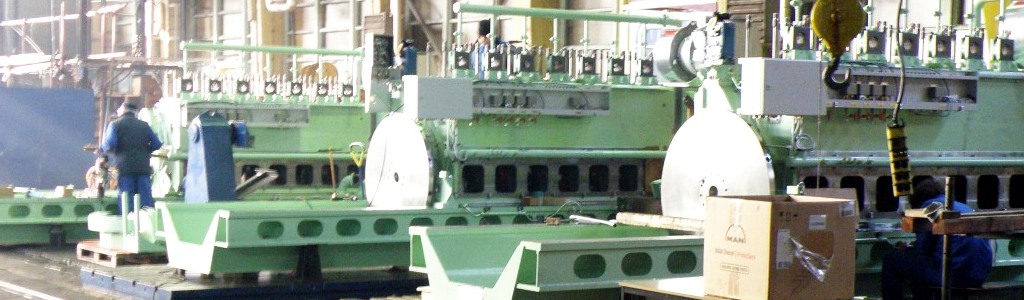
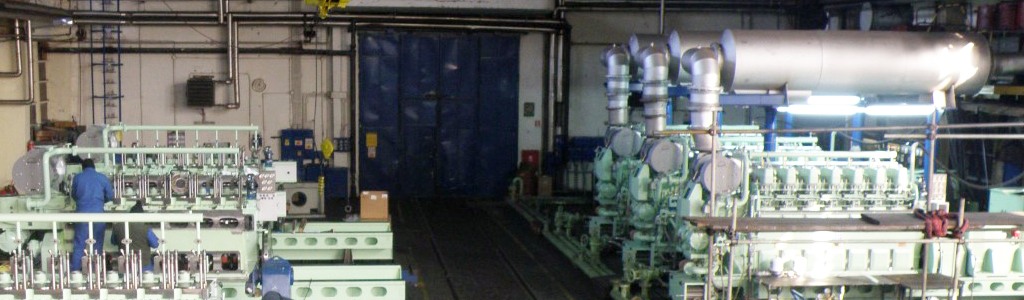
The pipe, code 100100, is a fluid-conveying component used within the MAN L21/31 engine and its associated systems to provide controlled and dependable transfer of an operating medium between connected components. Depending on its particular location and function, such a pipe may carry lubricating oil, fuel, cooling water, compressed air, or another service medium required for engine operation. The pipe and its connections must withstand the applicable operating pressure and temperature as well as vibration, thermal expansion, mechanical stresses, and the effects of the fluid being transported. Accurate dimensions, suitable material selection, secure supports, and correctly assembled connections are essential for maintaining unrestricted flow and preventing leakage, fatigue damage, or contamination. Through reliable transportation of essential operating media, the pipe supports proper lubrication, cooling, fuel supply, or auxiliary functions and thereby contributes to the efficiency, operational safety, and long-term reliability of the MAN L21/31 engine.
The gasket, code 100100, is an important sealing component used in the MAN L21/31 engine to establish a reliable, leak-tight joint between mating surfaces of engine parts and assemblies. Depending on its specific installation position, the gasket may provide sealing against lubricating oil, fuel, cooling water, compressed air, gases, or other operating media while compensating for minor irregularities between adjoining surfaces. During engine operation, it may be exposed to pressure variations, vibration, thermal cycling, mechanical loading, and contact with different fluids, making appropriate material selection and dimensional accuracy essential for dependable performance. Correct surface preparation, installation, and tightening of the associated fasteners help ensure uniform gasket compression and effective sealing. By preventing leakage, contamination, and pressure losses, the gasket contributes to safe operation, efficient maintenance, protection of associated components, and the long service life of the MAN L21/31 engine.
The material for nuts, code 300100, defines the engineering material requirements for fastening nuts used in the MAN L21/31 engine, where reliable bolted connections are essential for maintaining structural integrity under demanding operating conditions. Materials selected for these nuts must provide appropriate mechanical strength, toughness, dimensional stability, and resistance to cyclic loading, vibration, elevated temperatures, and the operating environment encountered in marine and industrial service. Depending on the particular fastening application, correct material properties are especially important for maintaining the specified preload and preventing deformation, excessive wear, corrosion, loosening, or premature failure of the connection. Compliance with the prescribed material specification, together with correct machining, heat treatment where required, and proper tightening procedures, contributes to dependable fastening performance, safe engine operation, reduced maintenance requirements, and the long-term reliability of the MAN L21/31 engine.
The complete spring element K 34150 is a functional mechanical assembly associated with the operating piston of the Adriadiesel/Jugoturbina/Zgoda/Sulzer ZV40/48 engine and is designed to provide controlled elastic force within the piston mechanism. Depending on the movement of the associated assembly, the spring element stores and releases mechanical energy, supports controlled piston positioning, absorbs or compensates for variations in load, and helps the mechanism return reliably to its intended operating condition. As a complete assembly, its individual components must work together with the correct geometry, spring characteristics, alignment, and mechanical clearances to ensure repeatable performance over numerous operating cycles. The element is subjected to cyclic stresses, vibration, changing loads, and long-term service conditions, making fatigue resistance and dimensional stability particularly important. Regular inspection for wear, loss of spring force, deformation, corrosion, or damage is therefore important during engine maintenance. By providing predictable and repeatable spring action, the complete K 34150 spring element contributes to stable operating piston behavior, reduced mechanical shock and wear, and dependable long-term operation of the associated ZV40/48 engine mechanism.
The O-ring K 34144 is an important sealing component designed for the cooling insert K 34133 within the operating piston assembly of the Adriadiesel/Jugoturbina/Zgoda/Sulzer ZV40/48 engine. Its principal function is to create a reliable fluid-tight seal around the cooling insert, helping prevent leakage of the cooling medium and ensuring that the designed cooling circuit remains effective during engine operation. Although relatively small, the O-ring performs a critical role because deterioration, hardening, deformation, or damage to the seal can lead to coolant leakage, reduced cooling efficiency, contamination of surrounding areas, and potentially increased thermal loading of associated components. The sealing material must therefore be compatible with the applicable cooling medium and capable of tolerating pressure, temperature variations, vibration, and repeated thermal cycles. Correct installation and replacement of the K 34144 O-ring during appropriate maintenance interventions help preserve the integrity of the cooling system, maintain efficient temperature control, and support reliable long-term operation of the cooling insert and operating piston assembly.
The spring K 34139 is a precision resilient component designed to work with the pawl within the operating piston mechanism of the Adriadiesel/Jugoturbina/Zgoda/Sulzer ZV40/48 engine. Its primary function is to provide the controlled spring force required to keep the pawl correctly engaged, return it to its intended position after movement, and support reliable operation of the associated locking or positioning mechanism. Because the spring is repeatedly compressed or deflected during operation, it must retain its elastic properties while resisting fatigue, vibration, temperature variations, and the demanding conditions encountered in large marine and industrial diesel engines. Accurate spring characteristics are important because insufficient force could result in unreliable engagement, while excessive force could increase wear or mechanical loading of the associated parts. Manufactured from suitable high-quality spring material and produced to controlled dimensions, the K 34139 spring contributes to consistent pawl action, precise operation of the mechanism, reduced risk of unintended movement, and dependable long-term performance of the operating piston assembly.
The stay bolt, code 102262, is a highly loaded structural fastening component of the MAN L21/31 engine designed to securely connect and stabilize major engine structures while maintaining the required clamping force during operation. In a medium-speed diesel engine, such fastening elements must withstand substantial tensile forces, cyclic combustion loads, vibration, and thermal expansion without allowing unwanted movement or loss of alignment between connected components. The stay bolt is therefore manufactured and machined to demanding mechanical and dimensional requirements so that the specified preload can be applied and maintained reliably throughout service. Correct installation, tightening, inspection, and condition monitoring are particularly important because deterioration or incorrect loading of a structural bolt can affect load distribution and the stability of associated engine parts. By maintaining structural rigidity and correct alignment, the stay bolt contributes significantly to safe operation, mechanical durability, and the long-term reliability of the MAN L21/31 engine.
The seal ring, code 136973, is a precision sealing element used in the MAN L21/31 engine to maintain a secure barrier between adjoining components and prevent the unwanted passage of operating fluids or gases. Depending on its location within the engine assembly, the seal ring may be required to retain lubricating oil, fuel, cooling water, compressed air, or another operating medium while simultaneously protecting sensitive internal components against contamination. The component is designed to maintain effective sealing despite vibration, changes in pressure and temperature, mechanical movement, and thermal expansion occurring during engine operation. Accurate dimensions, suitable material properties, and correct installation are therefore essential to its performance. By maintaining system tightness and reducing the risk of leakage, the seal ring contributes to reliable engine operation, reduced maintenance requirements, protection of associated components, and a longer service life of the MAN L21/31 engine.
The gasket, code 100100, is an important sealing component used in the MAN L21/31 engine to provide a reliable, leak-tight joint between mating surfaces of various engine parts and assemblies. Its primary function is to compensate for small surface irregularities and maintain effective sealing against lubricating oil, fuel, cooling water, compressed air, combustion gases, or other operating media, depending on its specific installation position. Designed to withstand pressure fluctuations, vibration, thermal cycling, and mechanical stresses encountered during continuous engine operation, the gasket must retain its sealing properties throughout demanding service conditions. Correct material selection, dimensional accuracy, surface preparation, and installation are essential for dependable performance, helping to prevent leakage, contamination, pressure losses, and consequential damage while contributing to the overall reliability, efficiency, and service life of the MAN L21/31 engine.
The stopper plate K 34138 is a mechanical retaining and positioning component associated with the operating piston assembly of the Adriadiesel/Jugoturbina/Zgoda/Sulzer ZV40/48 engine. Its principal function is to provide a defined mechanical stop or secure retention of associated components, helping maintain the intended position and movement limits of the operating piston mechanism. Although comparatively simple in form, a stopper plate can perform an important safety and reliability function because incorrect positioning or excessive movement within a mechanical assembly may lead to increased wear, misalignment, impact loading, or damage to neighboring parts. The K 34138 is therefore manufactured to accurate dimensions and from material capable of resisting repeated mechanical loading, vibration, and long-term operating stresses. Correct installation and inspection of the plate and its contact or fastening areas are important during maintenance. By preserving the designed mechanical limits and stability of the operating piston assembly, the K 34138 stopper plate contributes to predictable operation, reduced component wear, and dependable long-term engine service.