

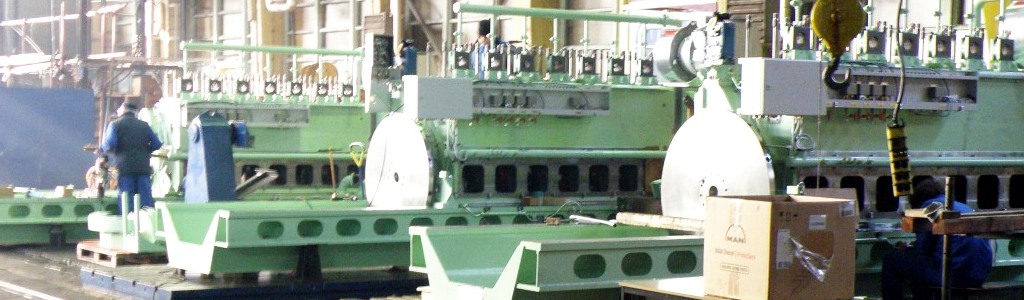
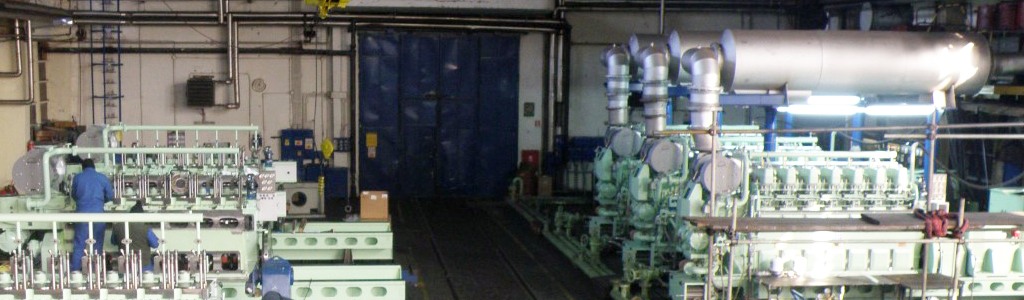
The Sulzer ZV40/48 is a robust, high-performance diesel engine commonly used in marine and industrial applications. A critical component of this engine is the stud for the cylinder cover, identified by the code number K 11122. This stud is essential for securing the cylinder cover to the engine block, ensuring the integrity and proper functioning of the engine. Made from high-strength materials, it withstands significant thermal and mechanical stresses, contributing to the engine's reliability and longevity. Proper maintenance and timely replacement of the K 11122 stud are crucial to prevent engine failures and ensure continuous, efficient operation.
The Sulzer ZV40/48 engine is a robust, high-performance marine and industrial engine known for its reliability and efficiency. A critical component within this engine is the sleeve for the crosstie rod, designated by code number K 11124. This sleeve plays a vital role in the engine's operation by ensuring the proper alignment and movement of the crosstie rod, which is essential for transferring motion from the piston to the crankshaft. Manufactured to precise specifications, the K 11124 sleeve enhances the durability and smooth functioning of the engine, contributing to its long lifespan and optimal performance in demanding environments.
The Sulzer ZV40/48 is a robust and reliable marine diesel engine, renowned for its efficiency and durability in the maritime industry. A critical component for maintaining the integrity of this engine is the Ring for Crosstie Rod, identified by the code number K 11116. This ring plays a pivotal role in ensuring the proper alignment and secure fastening of the crosstie rod, which is essential for the smooth operation of the engine. By facilitating the optimal distribution of mechanical loads, the K 11116 ring helps prevent wear and tear, thus extending the engine's operational life and maintaining its performance efficiency.
The Sulzer ZV40/48, specifically associated with the code number K 11114, refers to a component in a marine diesel engine, renowned for its robustness and efficiency in large-scale maritime operations. This particular code denotes a nut for stud K 11113, which is a crucial fastening element ensuring the stability and secure assembly of engine parts. These components are integral to maintaining the structural integrity and optimal performance of the Sulzer ZV40/48 engine, reflecting Sulzer's commitment to high-quality engineering in marine propulsion systems.
The Sulzer ZV40/48 is a type of marine diesel engine renowned for its reliability and efficiency in marine propulsion and power generation. A crucial component of this engine is the stud for the crankshaft bearing, identified by the code number K 11113. This stud plays a vital role in securing the crankshaft bearings, ensuring the proper alignment and stability of the crankshaft during operation. Its precision engineering and robust construction are essential for maintaining the engine's performance and longevity, highlighting the importance of high-quality components in complex machinery like the Sulzer ZV40/48
The Sulzer ZV40/48 is a renowned marine engine, notable for its robust performance and reliability in maritime operations. A crucial component of this engine is the bearing cover for the crankshaft bearing, identified by the part number K 11111. This bearing cover plays a pivotal role in maintaining the engine's efficiency and longevity by securing the crankshaft bearing, thereby ensuring smooth rotation and reducing wear and tear. Proper maintenance and timely replacement of this part are essential to avoid operational disruptions and to uphold the engine's optimal functionality.
The Sulzer ZV40/48 engine, a robust marine diesel engine known for its efficiency and reliability, features the K 11826 model, which integrates a crucial component—a rubber joint for the oil sump. This rubber joint plays a vital role in maintaining the integrity of the oil sump by providing a secure, flexible seal that prevents leaks and ensures optimal engine lubrication. Designed to withstand the harsh conditions of marine environments, this joint enhances the durability and performance of the Sulzer ZV40/48 engine, contributing to its reputation for dependable operation in demanding maritime applications.
The Sulzer ZV40/48, identified by code number K 11817, features a crucial component known as the wire mesh for the oil sump. This wire mesh plays a vital role in maintaining engine efficiency and longevity by filtering out impurities and contaminants from the oil before it circulates through the engine. By preventing debris from causing wear and tear on engine parts, this component ensures smoother operation and reduces the risk of damage. The precision engineering behind the Sulzer ZV40/48's wire mesh reflects its importance in safeguarding the performance and reliability of marine and industrial engines.
The Sulzer ZV40/48 diesel engine, renowned for its robustness and efficiency in marine and industrial settings, features a critical component identified by the part number K 11823 – the stud bolt for the oil sump. This stud bolt is essential for securing the oil sump, ensuring a tight and reliable seal to prevent oil leaks and maintain optimal engine performance. Engineered with precision, the K 11823 stud bolt withstands the engine's vibrations and thermal stresses, contributing to the overall durability and maintenance efficiency of the Sulzer ZV40/48. This reflects Sulzer's commitment to providing high-quality, dependable components for demanding applications.
The Sulzer ZV40/48 diesel engine is a high-performance powerhouse renowned for its durability and efficiency in maritime applications. Central to its reliability is the upper bearing half shell for the crankshaft bearing, identified by code number K 12001. This component plays a crucial role in supporting the crankshaft, reducing friction, and ensuring smooth engine operation. The precision engineering of the K 12001 bearing half shell enhances the overall longevity and performance of the engine by maintaining optimal alignment and minimizing wear and tear under demanding conditions, underscoring Sulzer's commitment to superior quality and dependability in engine components.