

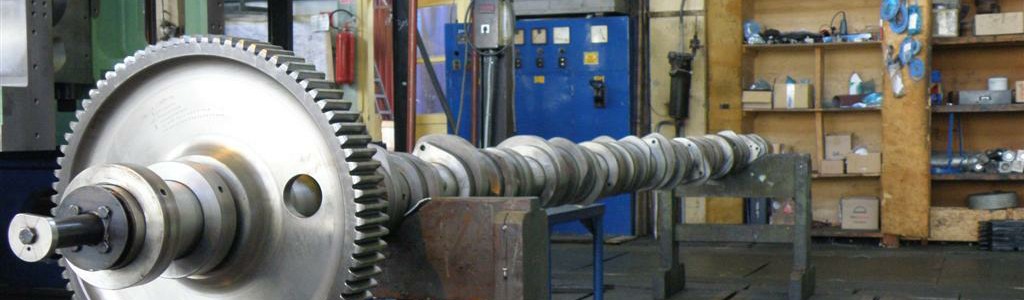
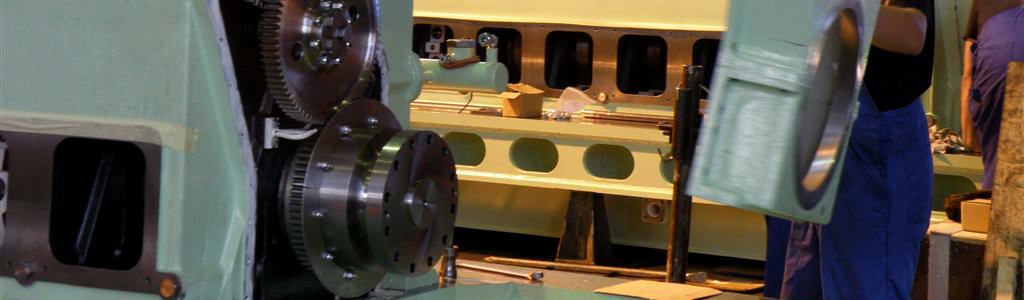
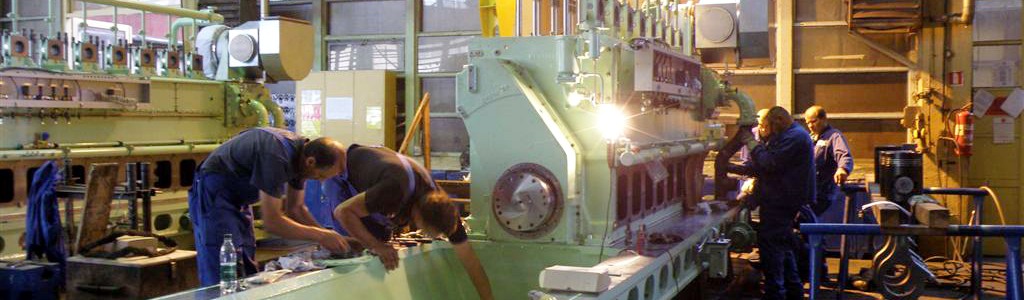
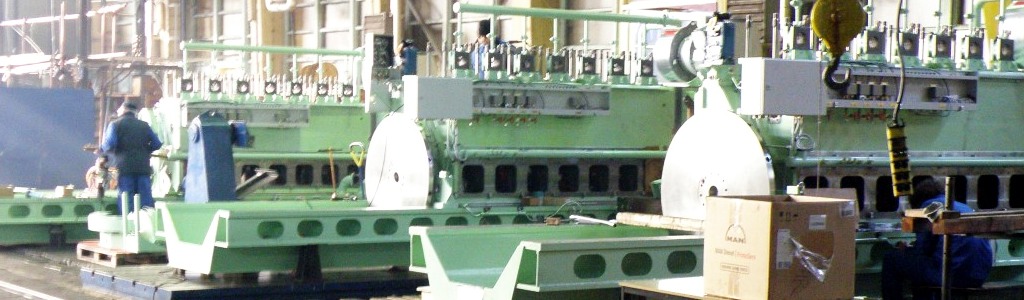
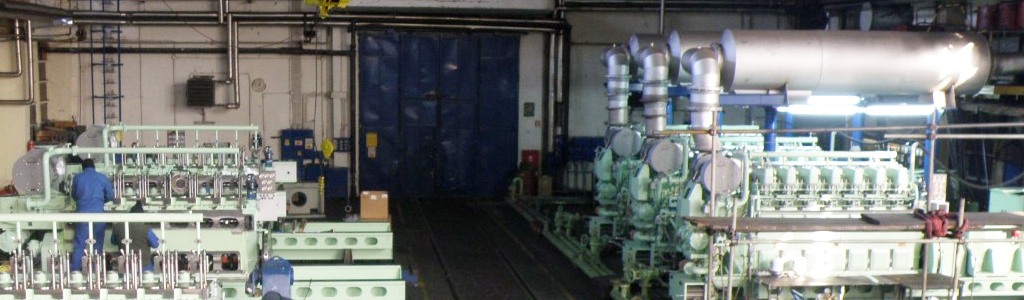
The side cover with integrated safety valve, marked with code number K 16100, is a multifunctional component of the Sulzer ZV40/48 diesel engine. It not only serves as a structural enclosure to protect internal engine elements from external contaminants and mechanical damage but also incorporates a built-in safety valve that relieves excess pressure from the engine’s crankcase. This dual-purpose design ensures both structural integrity and enhanced operational safety. Made from robust materials and precision-engineered, this component plays a vital role in maintaining a safe and efficient engine environment during continuous operation.
Author: Dr. Nenad Končar, M.Sc.Eng.
Date: May 23, 2025
As global demand for electric vehicles and renewable energy reaches historic highs, China is once again taking the lead — this time with sodium-based batteries. While most of the world still relies on lithium-ion technology, Chinese manufacturers are introducing batteries that use cheaper and far more abundant sodium — an element that can be derived from ordinary sea salt.
Mopeds as Drivers of Change
At the center of this technological shift are electric scooters, popularly known as "little electric donkeys," a vital means of transportation in many Asian cities. Yadea, China's largest two-wheeler manufacturer, has already launched three sodium-powered scooter models and is developing fast-charging and battery-swap infrastructure. The goal? Affordable and safe electric mobility for millions of daily users.
Why Sodium?
Sodium-ion batteries aren’t new — they’ve been in parallel development with lithium-ion for decades. However, recent lithium shortages and price spikes (with lithium sources concentrated in only a few countries) have reignited interest in sodium. The advantages are clear: sodium is about 400 times more abundant than lithium, more stable at high temperatures, and less prone to catching fire.
Shorter Range, Greater Safety
The main drawback of sodium-ion batteries is their lower energy density. While lithium-ion batteries are ideal for long-range cars, sodium is better suited for two-wheelers and stationary systems. That’s why an increasing number of Chinese cities — such as Shenzhen — are becoming “battery-swap cities,” aiming for large-scale implementation of sodium technology in everyday transportation.
Energy Storage – The Real Battleground
The greatest potential for sodium-ion batteries may lie beyond mobility — in energy storage systems. Chinese power grid operators already use sodium batteries to balance the grid and integrate renewables. The first large-scale energy storage station in southern China now uses sodium cells — powering up to 1,500 households.
Europe and Croatia: Where Do We Stand?
While China invests massively in R&D and production infrastructure, Europe is still seeking a clear strategy. Croatia — with its existing industrial base and engineering expertise — could claim a role in the supply chain, especially by developing container-based solutions for stationary storage.
Conclusion: Time to Diversify
Lithium will remain dominant for some time, but sodium is opening the door to a new era of energy security and sustainability. Two-wheelers may just be the beginning — but the real battle for energy independence and technological leadership is already underway in labs, factories, and strategic plans.
? Contact:
This email address is being protected from spambots. You need JavaScript enabled to view it.
? www.adriadiesel.hr
The stop plate with code number K 16037 is designed to control and restrict the movement or position of the crankcase vent in the Sulzer ZV40/48 engine. It serves as a safety and alignment component, ensuring that ventilation flow remains within the designated path to prevent oil mist leakage and pressure imbalances. Its role is particularly important in maintaining proper engine ventilation and preventing contamination or backflow. Built for resilience and precision, the stop plate supports the overall efficiency and environmental compliance of the engine's crankcase ventilation system.
The side casing, marked with code number K 16221-AD, serves as a protective and structural enclosure on the side of the Sulzer ZV40/48 diesel engine. This robust component helps shield vital engine systems from external contaminants such as dust, moisture, and mechanical impact. It also adds to the engine’s structural stability, especially in marine and industrial applications where exposure to harsh conditions is common. Engineered for endurance, the side casing is a critical part of maintaining engine cleanliness, safety, and operational consistency.
The cover support with code number K 16272 plays a key role in stabilizing and securing the front cover of the Sulzer ZV40/48 diesel engine. This component ensures precise alignment and structural integrity of the front cover, which is essential for protecting internal engine parts from environmental exposure and mechanical damage. Made from durable materials, it withstands vibrations, thermal stress, and prolonged mechanical loads. Proper installation and maintenance of the cover support contribute significantly to engine longevity and reliable performance in challenging operating environments.
The handle identified by code number K 27008 is designed specifically for the cover K 27007 in the Sulzer ZV40/48 diesel engine. While simple in appearance, it plays a vital role in facilitating easy access to engine components for inspection, maintenance, or repairs. Built from strong, corrosion-resistant materials, the handle ensures safe and reliable operation in demanding environments. Its ergonomic design allows for firm grip and ease of use, supporting the overall maintenance efficiency of the engine system.