

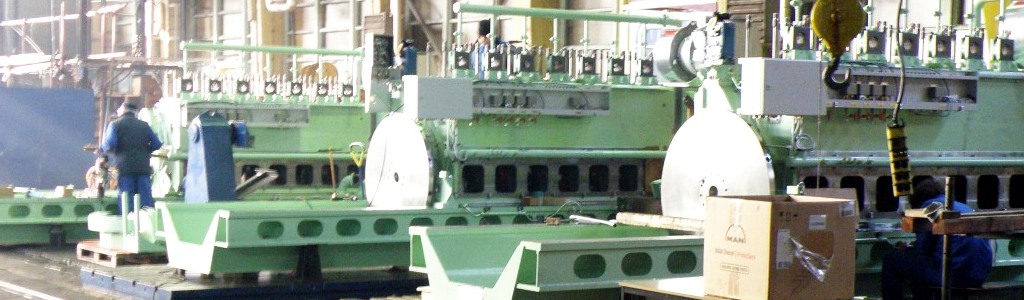
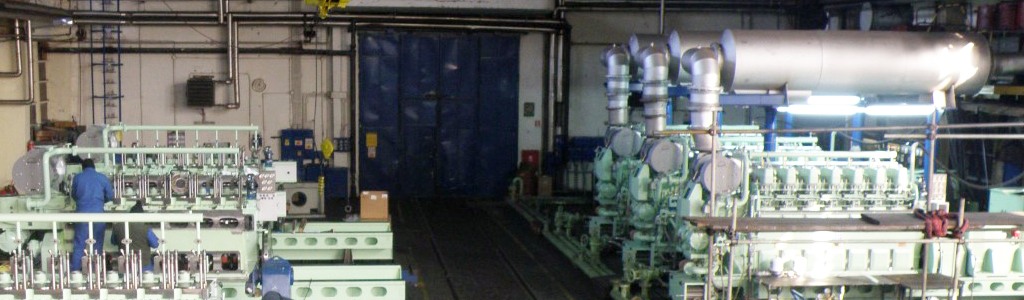
The visual flow control device K 84465 is an eight-position inspection element used in the ZV40/48 engine to allow operators to visually verify fluid movement, direction, and condition within the system. Designed for clarity, durability, and resistance to pressure and temperature fluctuations, this component enhances situational awareness during operation and maintenance. Its multi-position configuration enables precise monitoring of flow changes, making it easier to detect irregularities, contamination, or flow interruptions. By providing immediate visual feedback, K 84465 significantly improves reliability, safety, and diagnostic speed in complex engine environments.
The hinge K 81264 is a durable mechanical joint designed to allow controlled, smooth movement of support K 81260 while maintaining structural stability in the ZV40/48 engine. Engineered to tolerate repeated mechanical stress, vibration, and thermal expansion, the hinge provides flexibility where needed without compromising strength. Its high-quality design ensures precise alignment and reliable articulation, enabling easier maintenance access and reducing wear on adjacent components. As part of the support assembly, K 81264 plays a key role in maintaining functional mobility and operational efficiency.
The clamping piece K 81184 is a precision-engineered fastening component used to secure support K 81260 within the heavy-duty structural assemblies of the Sulzer/Adriadiesel/Jugoturbina/Zgoda ZV40/48 engine. Designed to withstand continuous vibration, dynamic loading, and harsh operating conditions, this clamping piece ensures stable positioning of the support frame and prevents loosening or misalignment during engine operation. Its robust construction and exact fit enable reliable long-term anchoring of auxiliary components, contributing to improved structural integrity and dependable overall engine performance.
The fuel pump connections, code P51435-14, serve as the critical interfaces between the fuel supply lines and the high-pressure injection pump in the MAN L21/31 engine. Designed for precision alignment and leak-proof operation under high pressures, these connections ensure stable fuel delivery and reliable pump function. Their integrity is vital for maintaining injection efficiency and preventing pressure loss or air ingress, directly impacting engine performance, emissions, and long-term durability in both marine propulsion and auxiliary power systems.
The fuel oil arrangement, code P51430-28, comprises the integrated system of pipes, filters, valves, and sensors responsible for the preparation, distribution, and management of fuel oil within the MAN L21/31 engine. This carefully configured network ensures proper fuel conditioning—such as temperature control, filtration, and pressure regulation—before injection. By optimizing fuel quality and flow dynamics, the fuel oil arrangement enhances combustion stability, engine responsiveness, and operational safety, especially in variable-load marine environments and power generation facilities.
The fuel injection pipe, code P51404-18, is a high-pressure line that delivers fuel from the injection pump directly to the cylinder injectors in the MAN L21/31 engine. Engineered to withstand extreme pressure and thermal cycles, this pipe ensures consistent and precise fuel delivery, which is critical for achieving efficient combustion and optimal engine performance. Its robust construction and precision manufacturing minimize the risk of leaks and maintain injection timing, essential for meeting modern emission standards and fuel economy targets in marine and stationary power applications.