

The conical element, code HP1903, is a precision-engineered component of the MAN L21/31 engine whose tapered geometry is designed to provide accurate positioning, centering, seating, or controlled mechanical engagement within its associated assembly. A conical interface can be particularly effective in establishing repeatable alignment and distributing contact forces over the mating surfaces when the component is correctly installed and loaded. Depending on its specific application, the conical element may therefore contribute to secure component location, controlled transmission of mechanical forces, or reliable connection between adjoining parts. Precision of the taper angle, surface finish, dimensional accuracy, material strength, and condition of the mating surfaces are important because wear, scoring, corrosion, contamination, or deformation can adversely affect seating and alignment. During maintenance, the conical surfaces and associated contact areas should be carefully inspected and cleaned before assembly. By supporting precise positioning and stable mechanical engagement, the conical element contributes to accurate assembly, reduced unwanted movement, reliable load transfer, and the long-term mechanical reliability of the MAN L21/31 engine.
The plate, code 101975, is a structural or functional component of the MAN L21/31 engine designed to perform a specific supporting, covering, locating, spacing, retaining, or load-distributing function depending on its particular installation position. Although relatively simple in form, an engine plate can play an important role in maintaining the correct relationship between adjoining components and providing a stable interface for fastening or supporting associated parts. During operation, it may be exposed to vibration, mechanical loading, temperature variations, lubricating oil, moisture, and other environmental influences, making dimensional accuracy, flatness, suitable material properties, and correct installation important for reliable service. During maintenance and overhaul, the plate should be inspected for deformation, cracking, corrosion, excessive wear, damaged fastening areas, and deterioration of its contact surfaces. By maintaining the intended positioning and mechanical relationship of the associated components, the plate supports correct assembly, structural stability, effective maintenance, and the dependable long-term operation of the MAN L21/31 engine.
The adhesive paste, code 101768, is a specialized assembly and securing material intended for specific applications within the MAN L21/31 engine where reliable adhesion, sealing, or additional retention between mating components is required. Depending on its prescribed use, the paste may help secure assembled parts, improve sealing between contact surfaces, fill minor surface irregularities, or provide additional resistance against movement and loosening caused by vibration and cyclic mechanical loads. In demanding marine and industrial engine environments, such a material must retain its required properties when exposed to temperature variations, lubricating oil, fuel, moisture, vibration, and other operating influences relevant to its application. Thorough cleaning and preparation of the surfaces, application of the correct quantity and thickness, proper assembly, and observance of the specified curing conditions are essential for dependable performance. When selected and applied according to the relevant technical instructions, the adhesive paste can improve connection security, support effective sealing, simplify maintenance, and contribute to the long-term operational reliability of the MAN L21/31 engine.
The lapped bearing ring halves K 42611 are precision-finished bearing components designed for the camshaft lapped-bearing arrangement of the Adriadiesel/Jugoturbina/Zgoda/Sulzer ZV40/48 engine. Their carefully finished mating and bearing surfaces are intended to provide accurate contact, alignment, and support for the camshaft while maintaining the controlled running conditions required within the bearing assembly. The lapping process produces closely matched surfaces with a high degree of dimensional and surface accuracy, helping achieve uniform contact and dependable load distribution when the bearing halves are correctly assembled. During engine operation, these components must accommodate continuous camshaft rotation, cyclic bearing loads, vibration, and long-term service while preserving the required geometry and running clearance. Correct pairing and installation of the bearing ring halves, suitable lubrication, and careful inspection are therefore particularly important; wear, scoring, fretting, deformation, or damage to the precision-finished surfaces can adversely affect bearing performance and camshaft alignment. By providing accurately matched support within the camshaft bearing assembly, the K 42611 lapped bearing ring halves contribute to smooth camshaft rotation, controlled bearing loads, reduced wear, precise timing, and dependable long-term operation of the ZV40/48 engine.
The camshaft bearing shell halves K 42601 are precision bearing components designed to support and guide the camshaft of the Adriadiesel/Jugoturbina/Zgoda/Sulzer ZV40/48 engine while allowing smooth rotation under continuous operating loads. Installed as complementary bearing halves around the corresponding camshaft journal, they provide the accurately dimensioned running surface required to maintain correct shaft alignment, distribute bearing loads, and minimize friction between the rotating camshaft and its supporting structure. Because the camshaft is continuously exposed to cyclic forces generated by the valve and fuel-control mechanisms, the condition of its bearings is essential for maintaining stable timing and preventing excessive shaft movement. The K 42601 bearing shell halves therefore require accurate geometry, suitable bearing properties, correct clearances, clean lubrication, and proper installation to achieve reliable service life. During overhaul, the bearing surfaces should be inspected for scoring, wiping, abnormal wear, overheating, contamination, or changes in running clearance, together with the condition of the corresponding camshaft journals. By supporting accurate camshaft rotation and maintaining the required bearing clearances, the K 42601 bearing shell halves contribute to reduced friction, correct camshaft alignment, stable engine timing, and long-term reliability of the ZV40/48 engine.
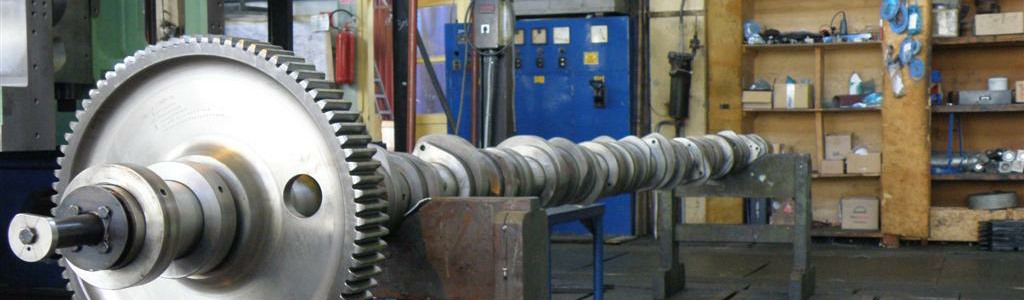
The valve cam K 42160 is a precision timing and control component mounted on the camshaft of the Adriadiesel/Jugoturbina/Zgoda/Sulzer ZV40/48 engine, where it plays an essential role in controlling the mechanical operation of the corresponding valve mechanism. Its accurately defined cam profile converts camshaft rotation into precisely timed movement, helping ensure that the associated valve opens and closes at the required points of the engine operating cycle and follows the intended lift characteristics. Because valve timing directly influences gas exchange and overall engine performance, the geometry, angular position, surface finish, and dimensional accuracy of the K 42160 are particularly important. During operation, the valve cam is subjected to repeated contact stresses, cyclic loading, friction, vibration, and prolonged heavy-duty service, requiring good wear resistance, correct alignment, and effective lubrication of the associated contact surfaces. During overhaul, the cam profile and mating components should be inspected for wear, pitting, scoring, deformation, or other surface damage that could alter valve motion. By providing accurate and repeatable mechanical control of the valve mechanism, the K 42160 valve cam contributes to correct valve timing, efficient gas exchange, stable engine operation, and dependable long-term performance of the ZV40/48 engine.
The glue, code 195956, is a specialized bonding and securing material intended for particular assembly, maintenance, and repair applications associated with the MAN L21/31 engine. Depending on the specified application, such an adhesive may be used to secure threaded or cylindrical connections, assist in sealing mating surfaces, prevent loosening caused by vibration, or provide additional retention between assembled components. In demanding marine and industrial engine environments, the selected adhesive must maintain the required properties when exposed to temperature variations, vibration, lubricating oil, fuel, moisture, and other operating influences relevant to its installation location. Thorough cleaning and preparation of the surfaces, application of the correct quantity, proper assembly, and observance of the specified curing conditions and time are essential for achieving a dependable bond. The adhesive should always be selected and applied according to the relevant technical and maintenance requirements. When correctly used, the glue can improve connection security, reduce the possibility of leakage or loosening, support efficient maintenance, and contribute to the long-term operational reliability of the MAN L21/31 engine.
The oval flange, code 170901, is a precision-engineered connection component used in the MAN L21/31 engine to establish a secure and leak-resistant interface between piping, fluid-system components, or other associated engine connections. Its oval geometry can provide a compact and practical fastening arrangement where installation space, connection configuration, and reliable sealing are important considerations. During engine operation, the flange and its fastening arrangement may be exposed to internal pressure, vibration, thermal expansion, mechanical loads, and operating media such as lubricating oil, fuel, cooling water, or air, depending on its specific application. Accurate machining of the flange faces and fastening points, correct gasket or sealing-element installation, suitable material properties, and controlled tightening are essential for maintaining alignment and preventing leakage. Regular inspection should include checking the sealing surfaces, fastener locations, and flange body for corrosion, cracking, deformation, erosion, or other damage. By providing a stable and dependable connection, the oval flange supports controlled fluid transfer, effective sealing, safe maintenance, and reliable long-term operation of the MAN L21/31 engine.
The gasket, code 300100, is an important sealing component used in the MAN L21/31 engine to create a reliable and leak-tight joint between adjoining surfaces of engine parts and assemblies. Depending on its particular installation position, the gasket may seal lubricating oil, fuel, cooling water, compressed air, gases, or another operating medium while compensating for small irregularities between the mating surfaces. During service, it can be subjected to pressure fluctuations, vibration, temperature changes, mechanical loading, and continuous contact with the relevant operating fluid, making correct material selection, dimensional accuracy, and installation particularly important. Proper preparation of the sealing surfaces and controlled tightening of the associated fasteners help achieve uniform compression and prevent premature deterioration. During maintenance, the gasket and mating surfaces should be inspected for leakage, damage, deformation, contamination, or other deterioration. By minimizing fluid leakage, contamination, and pressure losses, the gasket contributes to safe engine operation, efficient maintenance, protection of surrounding components, and the long-term reliability of the MAN L21/31 engine.
The fuel cam K 42150 is a precision timing and control component mounted on the camshaft of the Adriadiesel/Jugoturbina/Zgoda/Sulzer ZV40/48 engine and plays an important role in the mechanical control of the fuel-injection process. Its carefully defined cam profile converts camshaft rotation into precisely timed mechanical movement for the associated fuel-injection mechanism, helping ensure that fuel delivery occurs at the required point in the engine operating cycle. The geometry, angular position, surface finish, and dimensional accuracy of the fuel cam are therefore critical, as wear or deformation of the working profile can alter the movement of the associated mechanism and adversely affect injection timing and engine performance. During operation, the K 42150 fuel cam is subjected to repeated contact stresses, cyclic loading, friction, vibration, and long periods of heavy-duty service, making wear resistance, effective lubrication of the associated contact surfaces, and correct alignment particularly important. During overhaul, the cam profile and its mating components should be inspected for wear, pitting, scoring, surface damage, or dimensional deviations. By providing accurate and repeatable mechanical control of the fuel-injection mechanism, the K 42150 fuel cam contributes to correct injection timing, stable combustion, efficient engine operation, and dependable long-term performance of the ZV40/48 engine.